In our previous blogs, we’ve explored the psychology of healthy living and the impact of stress on the body. We know that managing stress is crucial, but what we put on our plate is an equally powerful tool for healthy living. Today, I want to introduce you to a tiny nutritional powerhouse that can bridge the gap between what we know we should eat and what we actually do: Microgreens.
A Global Nutrition Gap
Despite our best intentions, the statistics on global nutrition are sobering. A comprehensive analysis published in The Lancet Global Health estimates that 56% of preschool-aged children and 69% of non-pregnant women of reproductive age worldwide suffer from a deficiency in at least one of three critical micronutrients: iron, zinc, or vitamin A (and folate for women). This isn’t just a problem in low-income regions; it’s a global issue affecting immune function, brain/cognitive development, and energy levels.
While fortifying foods is one strategy, there is a more vibrant, flavorful, and whole-food approach that can be grown right in your homes or kitchens: microgreens.
What Exactly Are Microgreens?
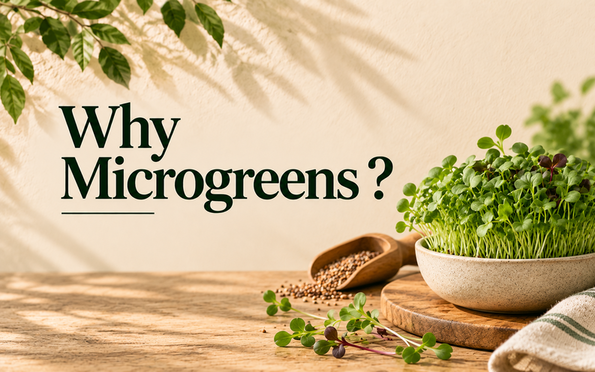
Microgreens are the tender, edible seedlings of vegetables and herbs, harvested just 7 to 21 days after germination. Unlike sprouts (which are harvested even earlier and carry a higher microbial risk), microgreens are grown in soil or a similar medium and their leaves are cut above the root line.
Their nutritional profile is remarkable. Research consistently shows that these young plants often contain higher concentrations of vitamins, minerals, and antioxidants than their mature vegetables. For example, a study on mung bean microgreens found they contained nearly double the dietary fiber and significantly higher levels of calcium, magnesium, iron, and zinc compared to mung bean sprouts.
The Benefits for a Wide Range of People
The beauty of microgreens lies in their versatility. They are a “functional food” that can benefit nearly everyone.
For Women’s Health: As the data shows, women of reproductive age are disproportionately affected by micronutrient deficiencies. Microgreens are particularly rich in iron and folate, two nutrients critical for preventing anemia and supporting healthy pregnancies.
For Children and Adolescents: Getting kids to eat their vegetables is a universal struggle. Microgreens offer a fun, colorful, and mild-tasting way to boost nutrient intake. Their high antioxidant content supports a developing immune system and cognitive function.
For the Aging Population: Chronic inflammation and oxidative stress are hallmarks of aging. The dense array of bioactive compounds in microgreens, including flavonoids and carotenoids has demonstrated anti-inflammatory and antioxidant properties in both in vitro and in vivo research. This makes them a valuable dietary tool for managing age-related conditions.
For Anyone Managing Stress: Nutritional psychology suggests that a nutrient-dense diet supports the brain’s ability to manage stress. The antioxidants in microgreens help combat the oxidative damage that chronic stress can cause at a cellular level.
Important Disclaimer: While microgreens are safe and nutritious for most people, certain vulnerable groups should avoid raw or lightly cooked microgreens, or consume them only after thorough cooking. These include children under 5 years of age, pregnant women, older adults, and individuals with weakened immune systems. Additionally, individuals taking blood-thinning medications should consult their healthcare provider before consuming microgreens high in vitamin K, as it can affect how the medication works.
Making It Practical
Add a handful to your dal, curries, sandwiches, blend them into a morning smoothie, or use them to top any breakfast, their mild flavor makes them easy to incorporate into almost any meal.
In our health coaching plan, we focus on sustainable habits. Adding microgreens isn’t just about adding nutrients; it’s about cultivating a daily ritual of nourishing yourself with living food. It’s a small, simple step with a mighty impact.
This article is general information about healthy living, not medical advice. It does not diagnose or treat any condition. If you are managing a diagnosed condition, are pregnant, or take prescribed medication, please speak with your doctor.